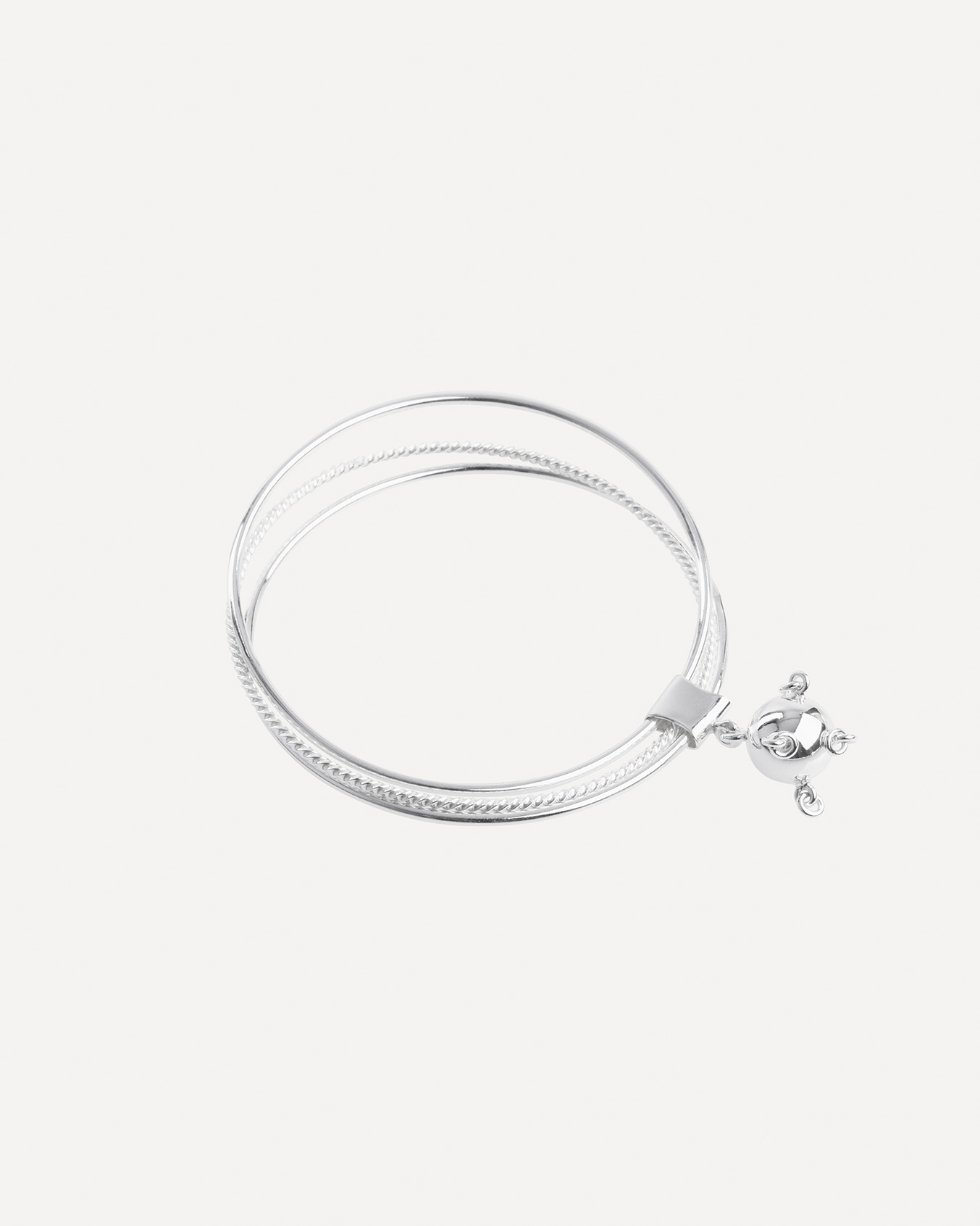
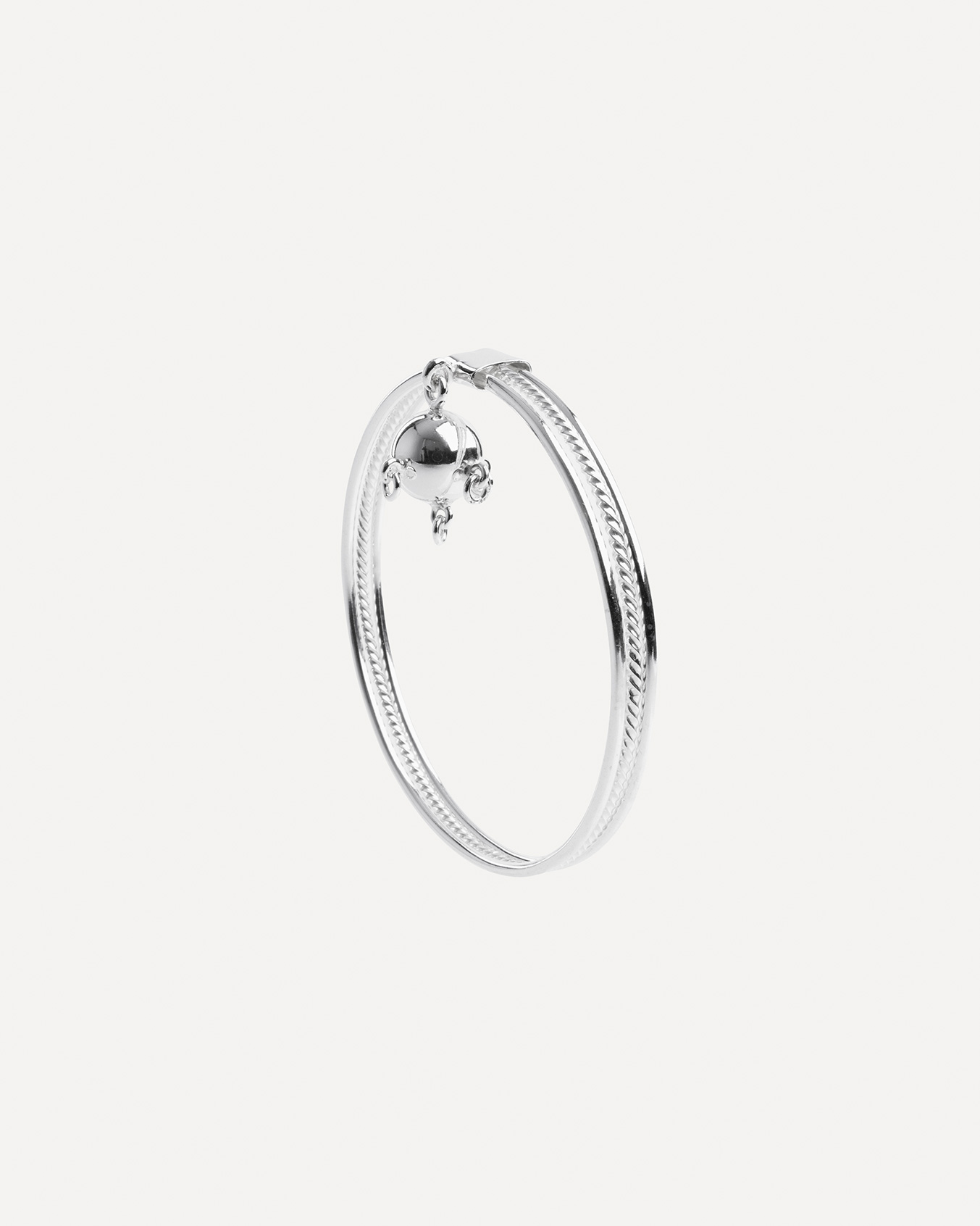
Historical jewelry is part of our shared cultural heritage and bears witness to the trade that took place in the northern regions over centuries. Together with other silver found across the far north, it forms the foundation of this collection.
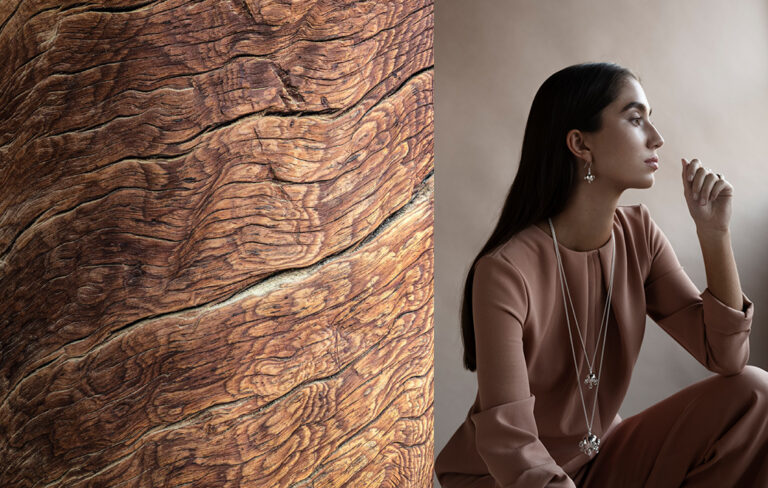
Historical jewelry is part of our shared cultural heritage and bears witness to the trade that took place in the northern regions over centuries. Together with other silver found across the far north, it forms the foundation of this collection.
People in the far north have for centuries lived under harsh conditions. Those settled along the coast and inland relied on small-scale farming and fishing, striving simply to secure a warm home. Few could afford to furnish it with anything beyond the bare necessities.
The nomadic peoples in the Arctic inland have historically lived just as modestly. More prosperous reindeer herders could enhance their lives by owning silver jewelry, which also served as an important commodity in trade and exchange. The nomadic way of life made it impossible to produce metal jewelry themselves. A silversmith requires a fixed workspace, along with tools and heavy equipment. The Sámi, like other nomadic peoples, were constantly on the move and carried only what was essential. Jewelry, being both portable and enduring, brought lasting value and enjoyment to its owner. Nomads traded for items such as jewelry, cloth and silk, sugar and flour-goods that had often travelled great distances.
Bergen held a trade monopoly in Northern Norway, and goods from the city were among the most important sources of supply. Other trade routes came from Russia across the Kola Peninsula, or through Finland and Sweden. The same types of jewelry were acquired by Sámi, Norwegians, Kven, Swedes, and Finns alike. There was therefore no distinct Sámi silver tradition in origin.
For reindeer herding communities, however, owning silver held a deeper significance than for others. The jewelry was carefully preserved. Pieces that broke were placed at the bottom of chests and kept as part of the family’s treasured possessions, a lasting symbol of value, memory, and continuity.