Architecture

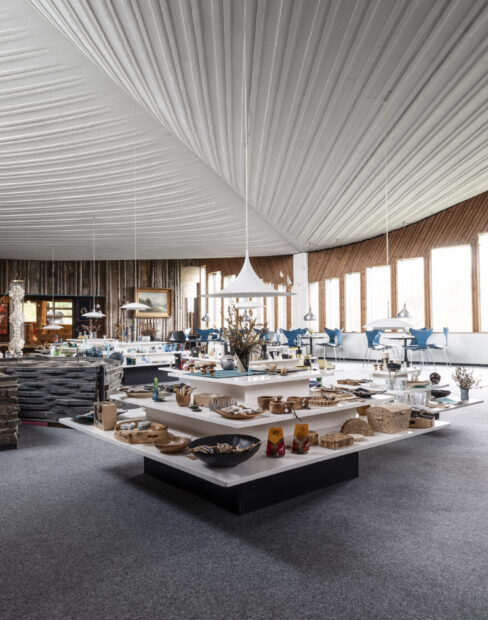
The construction began with a simple need, to have a roof over one’s head. There was never a plan or an ambition for it to grow into something larger. From a modest cabin in the 1950s, Juhls Silvergallery has nevertheless developed into a distinctive architectural complex. The buildings are shaped by the lines of nature and bring together landscape, culture, and art. The curved roof, inspired by snowdrifts, and the sequence of rooms give the place its character - developed over time through the collaboration of Frank and Regine Juhls.

A strenuous patchwork

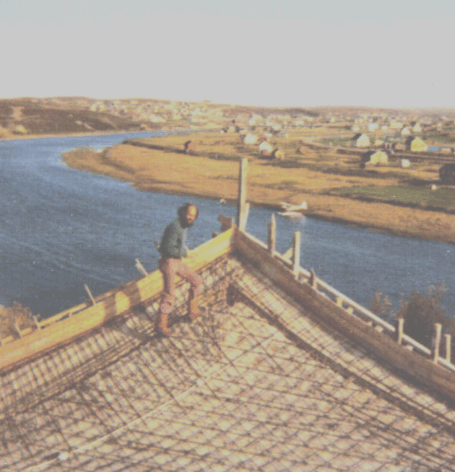
Construction began in the 1950s, before roads reached Kautokeino. Everything had to be carried up a steep hillside. “We had come to the end of the world. That was precisely the challenge,” Regine recalls. While raising a family and learning the craft, they expanded the house room by room, in step with the landscape and their own ideas. Often, the work emerged from a quiet, shared understanding:
“We would wake up with the same idea. Sometimes Frank had one half of a thought, and I the other.”

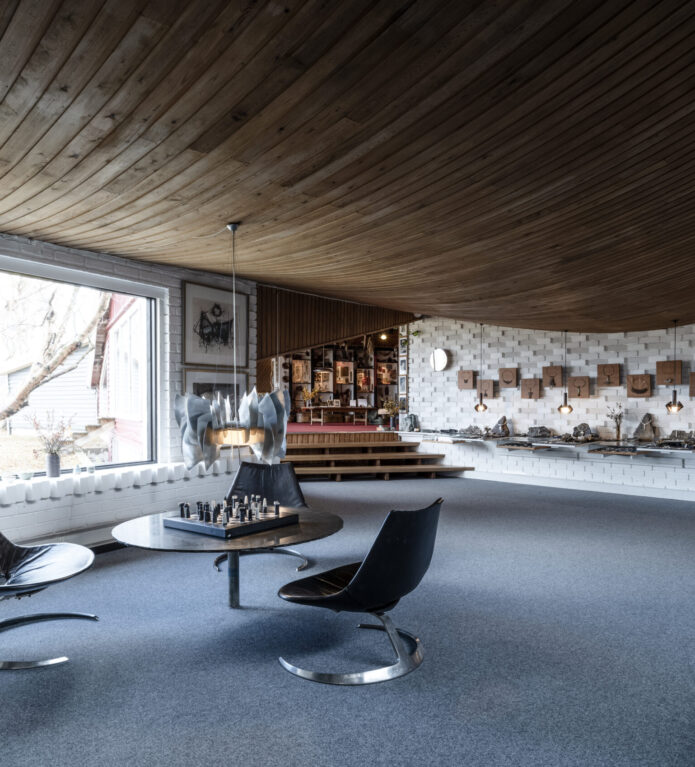
The curved roof is one of the most distinctive features, inspired by a snowdrift Frank observed one winter. “That form gave the house its character,” says Regine. The building grew gradually, often driven by impulse and necessity:
“Frank could suddenly feel that we should not wait… and before long we were building again.”

The architecture developed organically, room by room, in close dialogue with its surroundings.
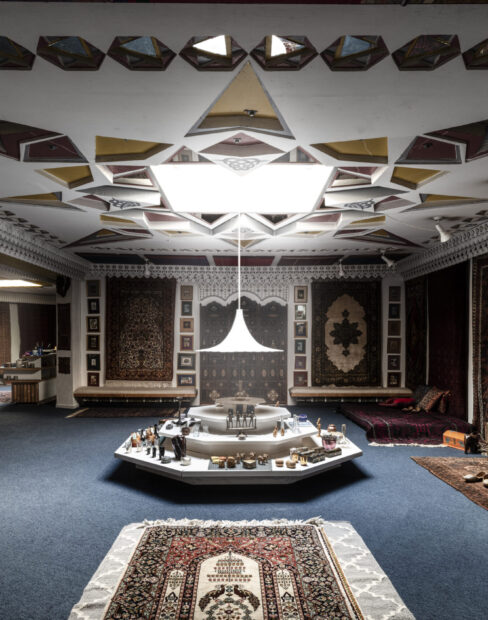
An important expansion came with the oriental rooms, inspired by two journeys to Afghanistan. These rooms were developed during the 1980s, at the time of the Soviet Union’s invasion and occupation of Afghanistan, which left a deep impression on the Juhls family. Throughout that decade, they were involved in aid work in refugee camps on the Pakistani side of the border.

For a period, oriental handicrafts were sold here as part of their work supporting refugees. Later, the rooms evolved into a distinct section for craftsmanship from different parts of the world, a quiet contrast to the Nordic-European context.

The ceilings bear traces of this connection. In the oriental room, they are decorated with jewelry that also has roots in Sámi tradition. In this way, an unexpected connection emerges, where experiences from the tundra and an interest in nomadic ways of life are reflected in encounters with other cultures.

The architecture thus holds not only the conditions of its immediate surroundings, but also a broader understanding of how people live and adapt, across different landscapes and ways of life.

“We have always let the house express what we were concerned with – simple insights and more complex reflections,” says Regine.

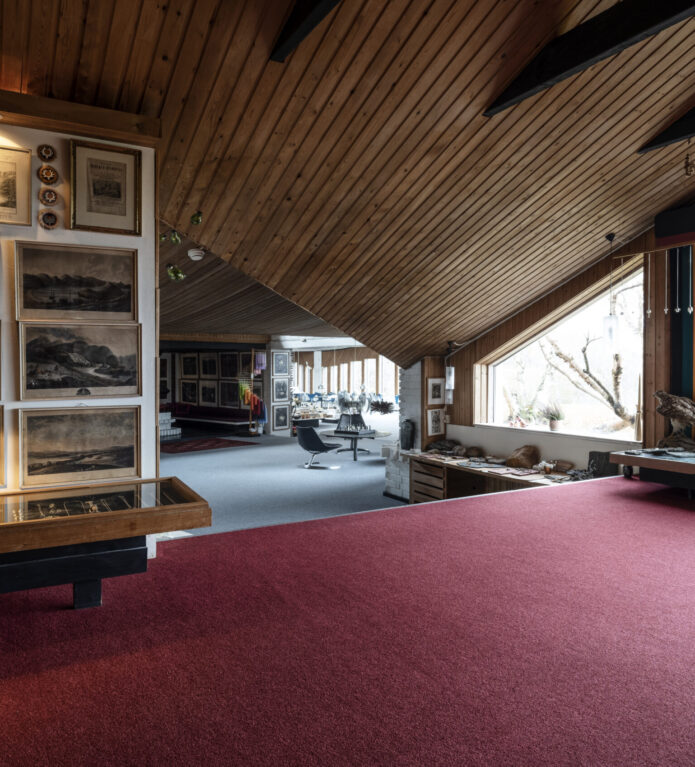
Over time, the buildings have grown into a unified whole. The use of materials is deliberate and defined by contrast – wood, concrete, and slate interact with one another. Old timber meets white surfaces, giving the spaces both weight and lightness.

The details in the surfaces are carefully considered. They create contrast and articulation, while at the same time binding the spaces together. Transitions, textures, and material junctions are handled with precision and understanding.

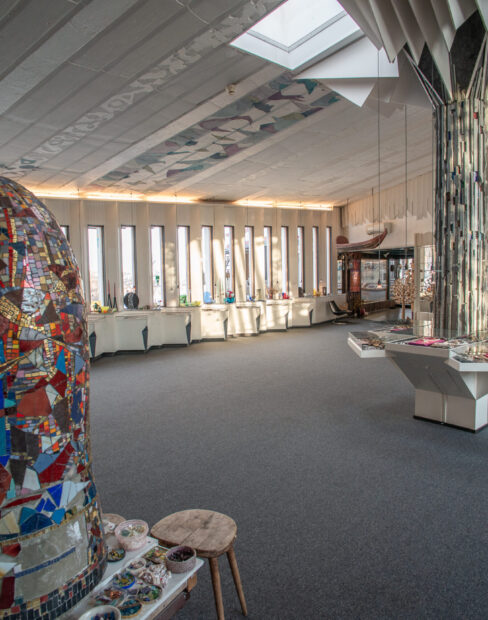
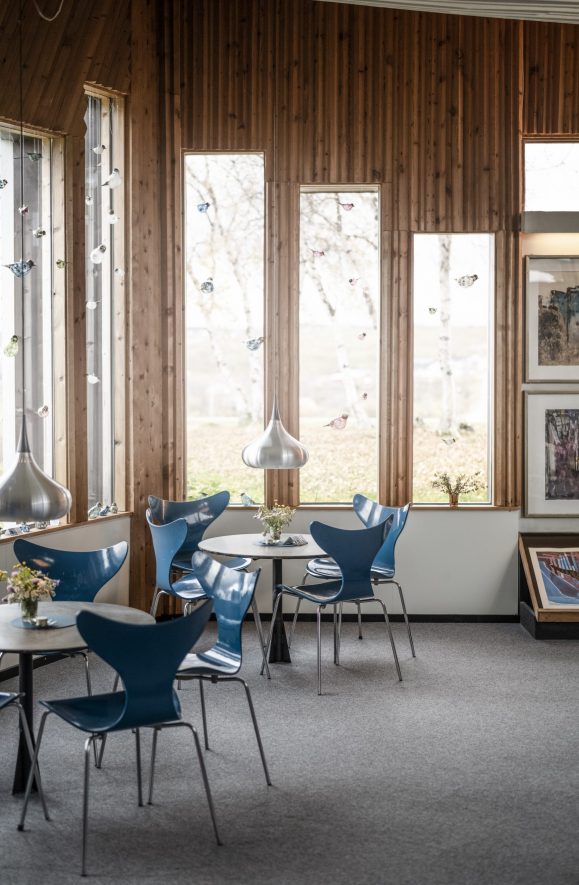
Large window surfaces allow light to enter from multiple directions. Their placement is carefully calibrated, allowing light and space to work in relation to one another. Split levels create shifts and new perspectives, giving a natural movement through the building.

The low display tables and showcases emphasize the height of the rooms and establish a calm rhythm. The use of Scandinavian furniture design and Frank Juhls’ own lamps introduces a distinct material presence and sense of intimacy, where function and form work hand in hand.

The proportions are carefully balanced, creating a sense of coherence and harmony. The architecture reflects a deep understanding of materials and a continuous exploration of space, light, and form.

Juhls Silvergallery is a life’s work, shaped through a lifelong collaboration and a close connection to nature.